Pay My Bill
 Call: (845) 454-0120
 Online Scheduling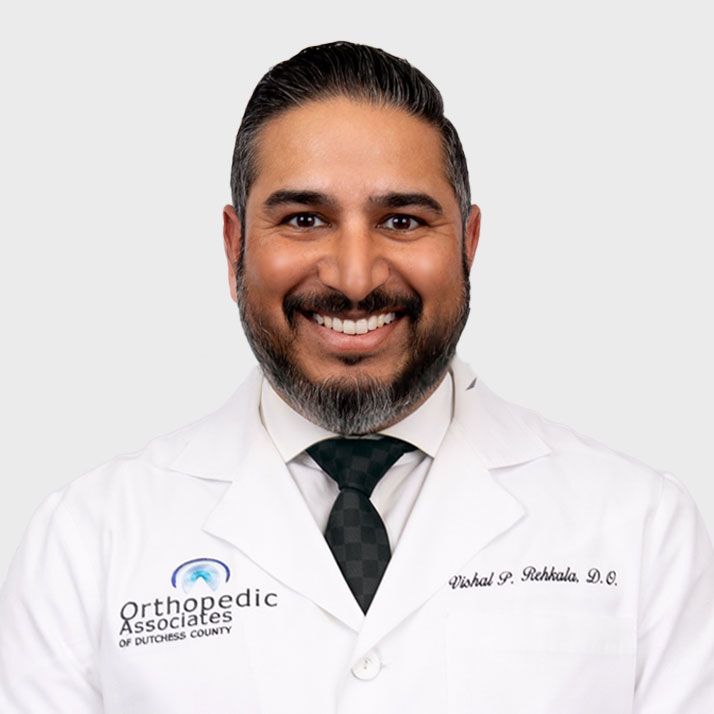
Featured Doctor
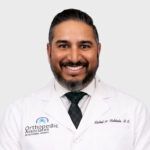
Vishal P. Rekhala, DO
Dr. Vishal P. Rekhala is Pain Management and Spine Physician Orthopedic Associates of Dutchess County (OADC)
View Profile
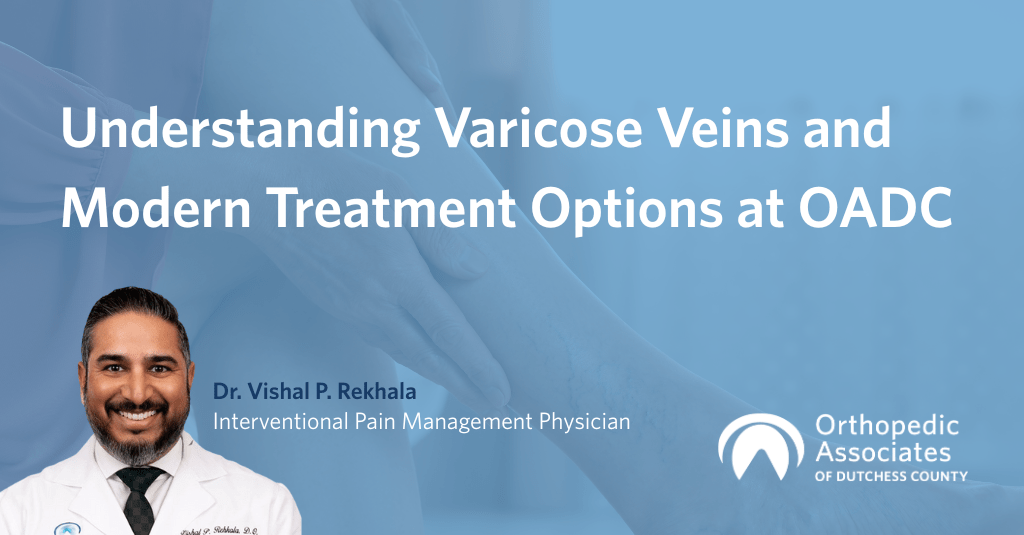
Many regard varicose veins as a purely cosmetic concern. In reality, they’re a sign of an underlying condition that can impact your health and quality of life. At Orthopedic Associates of Dutchess County (OADC), interventional pain management physician Vishal P. Rekhala, DO, offers minimally invasive treatments to help patients find relief.
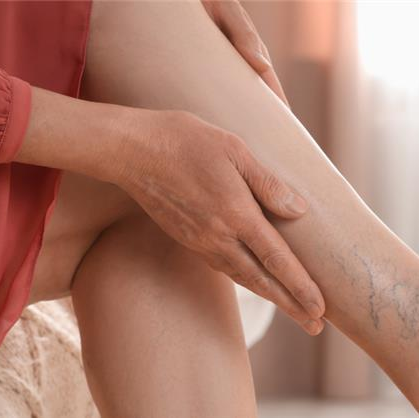
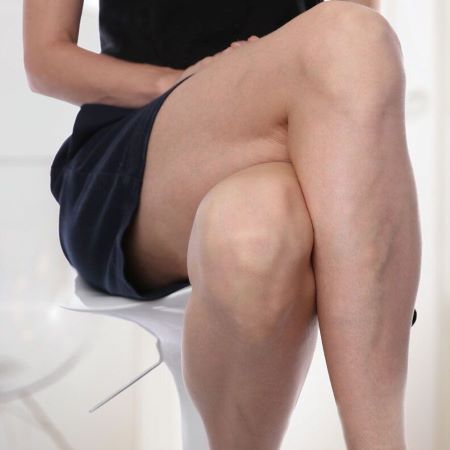
Varicose veins are enlarged, twisted veins that typically appear on the legs and feet. They occur due to venous insufficiency, a condition where weakened or damaged vein valves in the legs fail to efficiently return blood to the heart. This causes blood to pool and pressure to build, leading to visible bulging veins and symptoms such as aching, cramps, restlessness, fatigue, and other complications that may limit mobility or worsen orthopedic conditions like arthritis.
Several factors increase the likelihood of developing varicose veins:
- Genetics (family history)
- Age (valves weaken over time)
- Gender (more common in women)
- Pregnancy
- Obesity
- Prolonged standing or sitting
- History of leg injury or blood clots
- Lack of exercise
While roughly one in four Americans has varicose veins, relatively few are aware or seek treatment. For patients experiencing leg pain, swelling, cramping, heaviness, restless legs, or who have a family history of vein issues, Dr. Rekhala recommends scheduling a simple ultrasound screening. “It’s quick, non-invasive, and gives us the information we need to help you feel better,” says Dr. Rekhala.
To treat varicose veins, Dr. Rekhala emphasizes minimally invasive procedures that allow patients to return to normal activity quickly. The most common treatments he performs include Varithena® Foam Therapy, an injection of medicated foam into the vein to help close it, and radiofrequency ablation (RFA), which uses heat to close diseased veins.
These procedures are performed in the office and take about 15 to 30 minutes to complete. Patients are able to walk immediately following treatment, and typically resume normal activities the next day.
There are also proactive steps individuals can take to avoid developing varicose veins. Genetics play a major role, but patients can reduce their risk by:
- Exercising regularly
- Maintaining a healthy weight
- Avoiding prolonged standing or sitting
- Elevating legs when resting
- Wearing compression stockings if recommended
“When I started practicing, there was a very small number of people who knew treatments for varicose vein symptoms even existed,” Dr. Rekhala explains. “I’m grateful for the opportunity to educate patients about the underlying cause and the available treatments that can help.”
News & Blogs
 Varicose VeinsUnderstanding Varicose Veins and Modern Treatment Options at OADC
 Pain ManagementThe SPRINT® PNS System Offers a New, Minimally Invasive Option for Chronic Pain
 Pain ManagementVaricose Veins